OPEN
Your agent gets a wallet.
A prepaid balance that lives at ShipSafe — stored value, like a transit card. Not your bank login, not your raw card number.
Agents now hold real spend authority. ShipSafe binds every payment to a live, enrolled human face and a single, specific action — the three things a checkbox approval can’t prove.
Agent Pay is the money-moving proof point for ShipSafe Action Gate: proof-of-human authorization for any high-risk AI action.
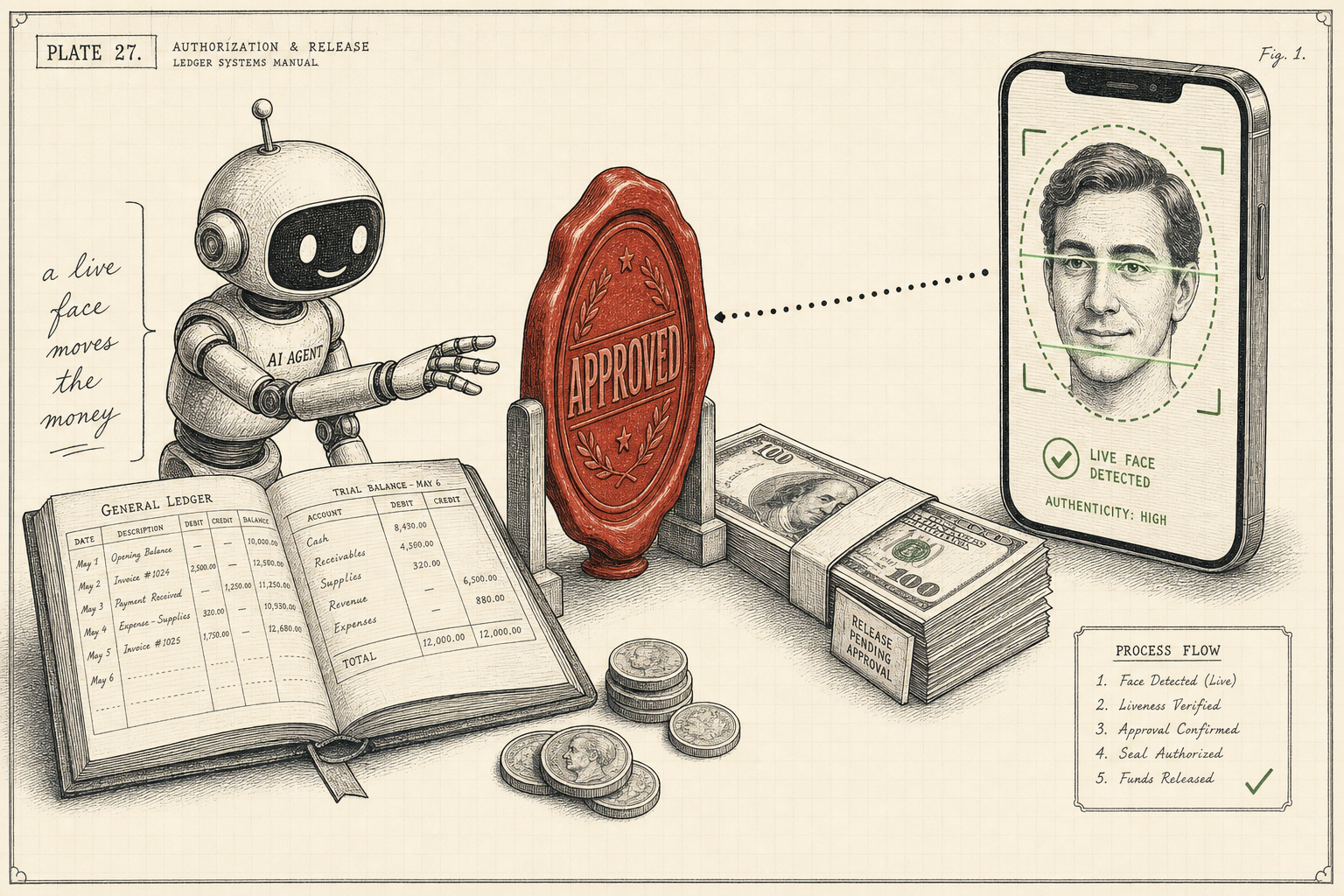
You load it. Your agent spends it. Your live face guards every spend.
Agent Pay is a prepaid debit card for your AI agent — and your live face is the PIN that can’t be stolen, copied, or reused.
A prepaid balance that lives at ShipSafe — stored value, like a transit card. Not your bank login, not your raw card number.
Top up with a normal credit card through Stripe — $10, $25, $50, or any amount up to $1,000. That balance is the most your agent can ever touch.
Every paid tool call comes out of the wallet, never your card. When it hits zero the agent is stopped with a top-up link — never a surprise bill.
Before a charge clears, your live enrolled face approves that exact spend. A leaked token or a deepfake can’t move a cent.
MCP tools cost money — compute, data, fixes, API calls. The agent decides when to pull the trigger.
A reused API key or a one-click “allow.” It can be phished, replayed, and proves nothing about who — or what — is on the other end.
Nothing verifies a real, specific person agreed to this exact charge. That’s the gap between “automated” and “authorized.”
No money moves until step six — and step six can’t happen without a live face at step three.

An autonomous agent calls a paid tool. Instead of charging, ShipSafe answers HTTP 202 — approval required. No money has moved.
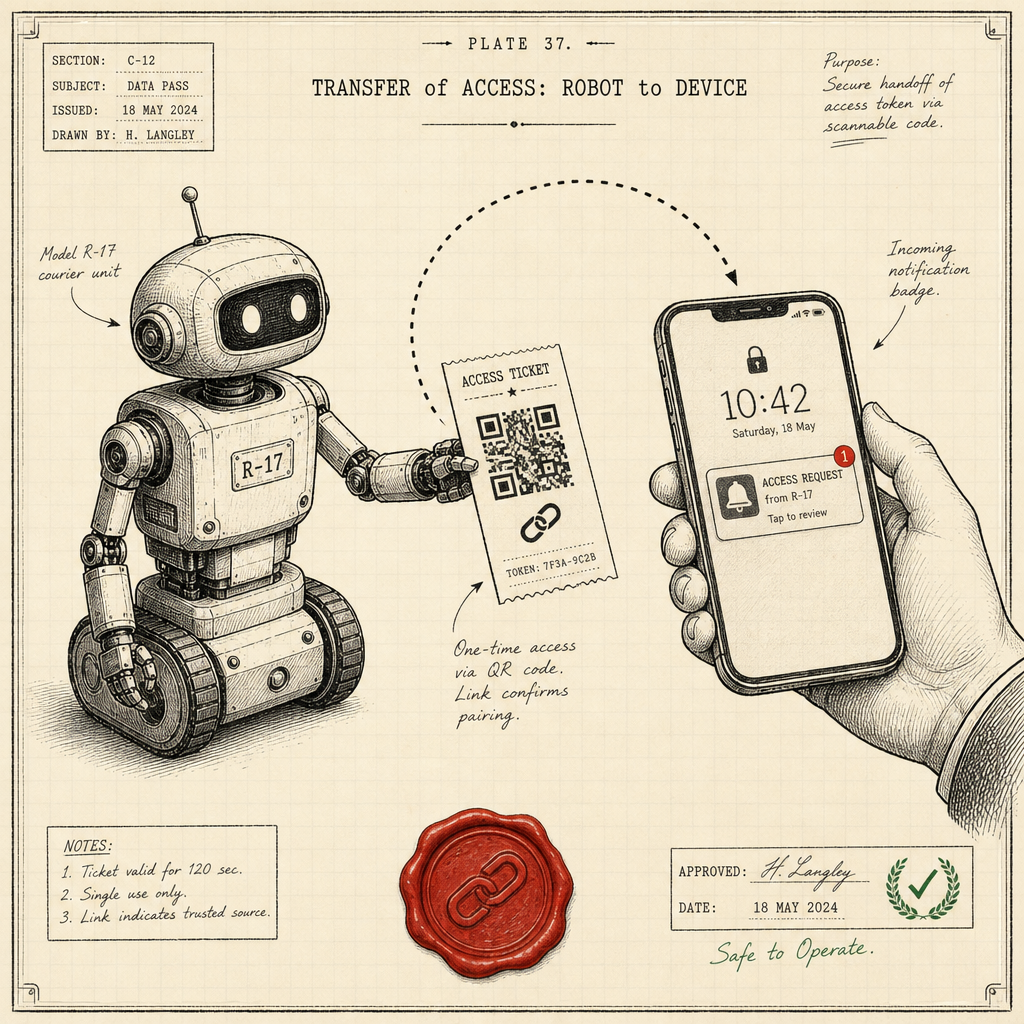
The agent can’t self-approve. It surfaces a one-time approval link to a person. The decision leaves the machine entirely.
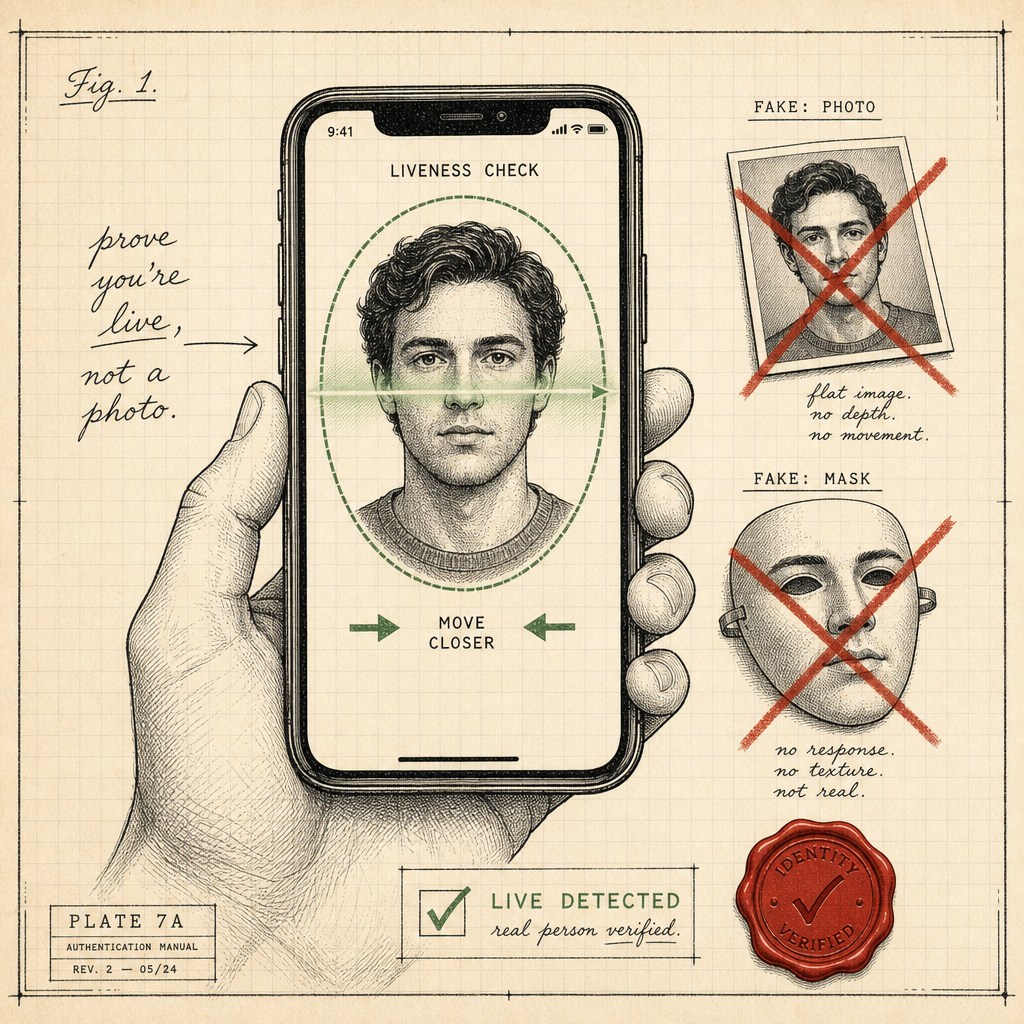
AWS Face Liveness confirms a real, present person — not a photo, a screen, or a deepfake. A flat image is rejected on sight.
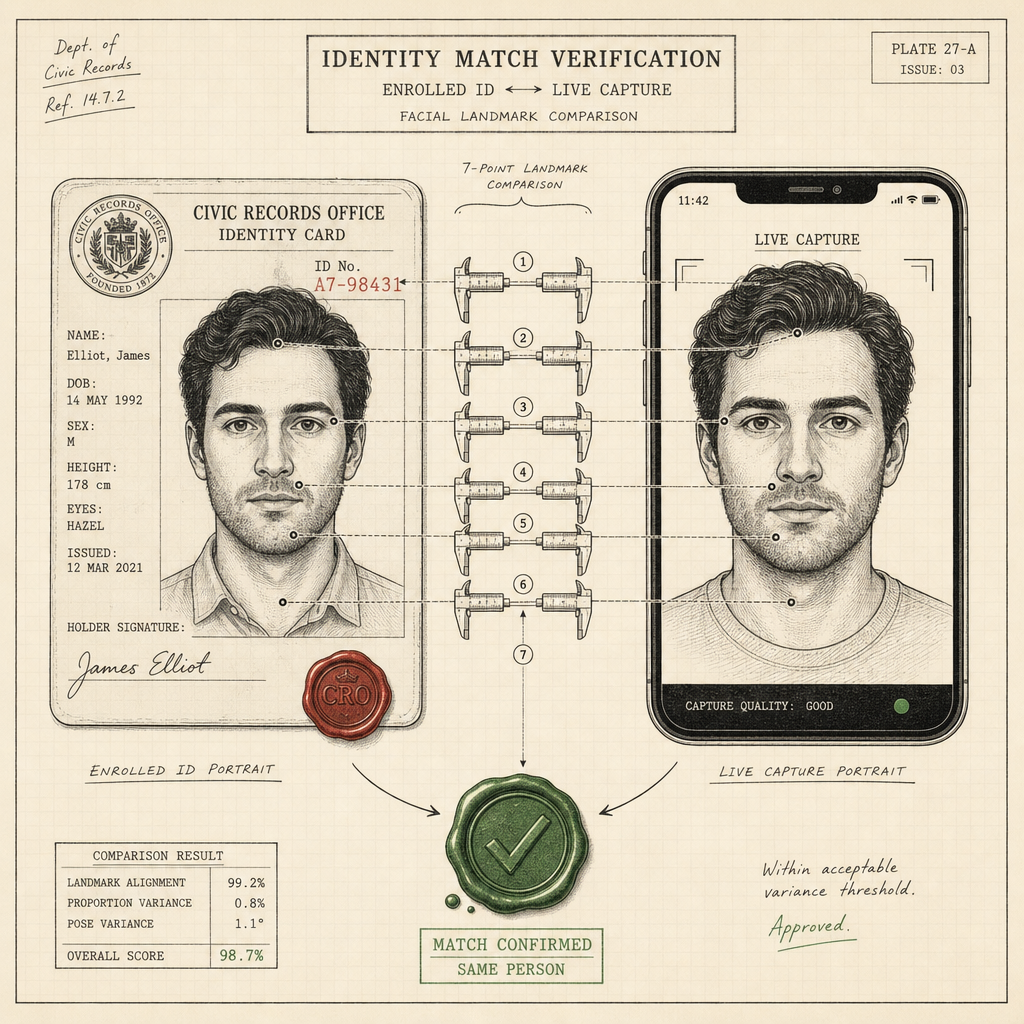
The live face is matched against the enrolled identity. Liveness alone isn’t enough — it has to be the person authorized to spend.
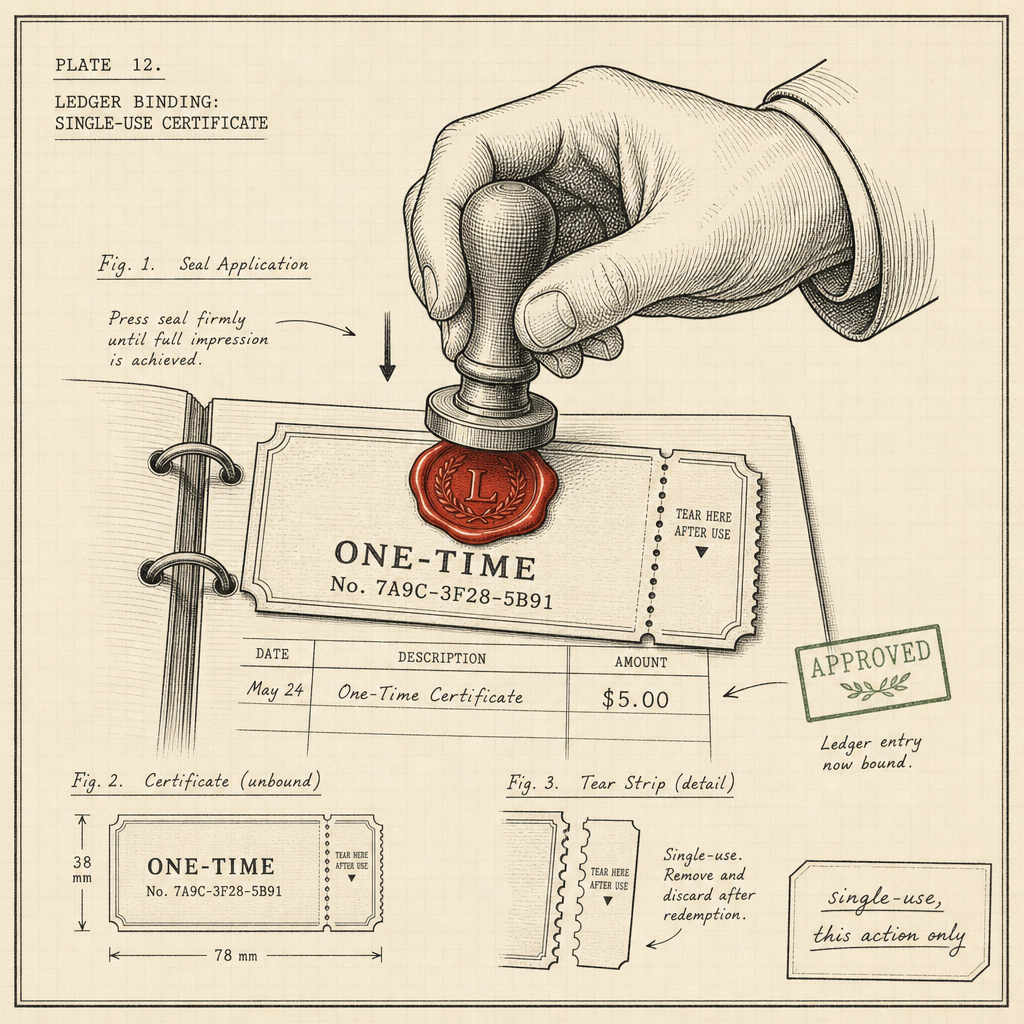
On a pass, FaceGate mints a signed assertion bound to this one action, with a unique id (jti). One action. One token. Once.
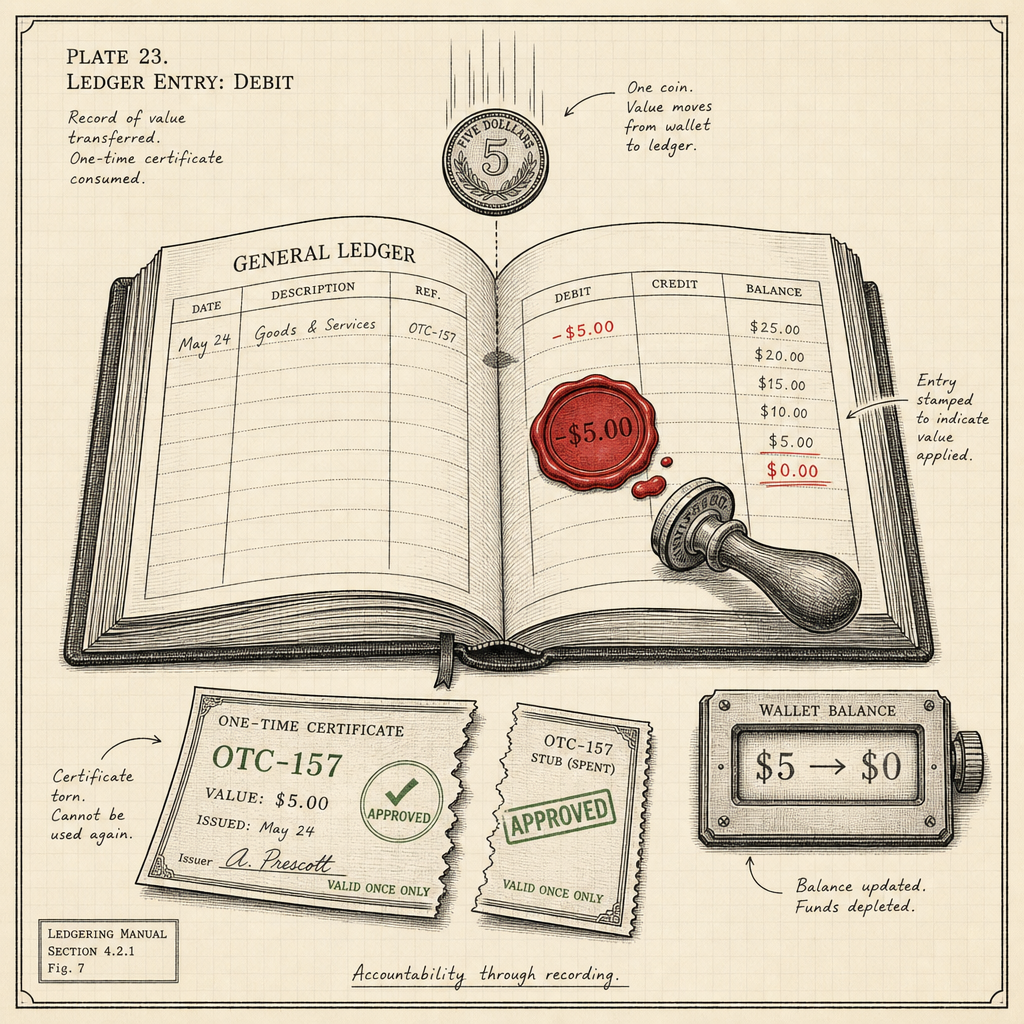
The agent re-submits with the assertion. ShipSafe redeems it, FaceGate burns the jti so it can never replay, and the wallet debits.
A generic approval grants access. ShipSafe binds it — to a live human, an identity, an action, and a single use.
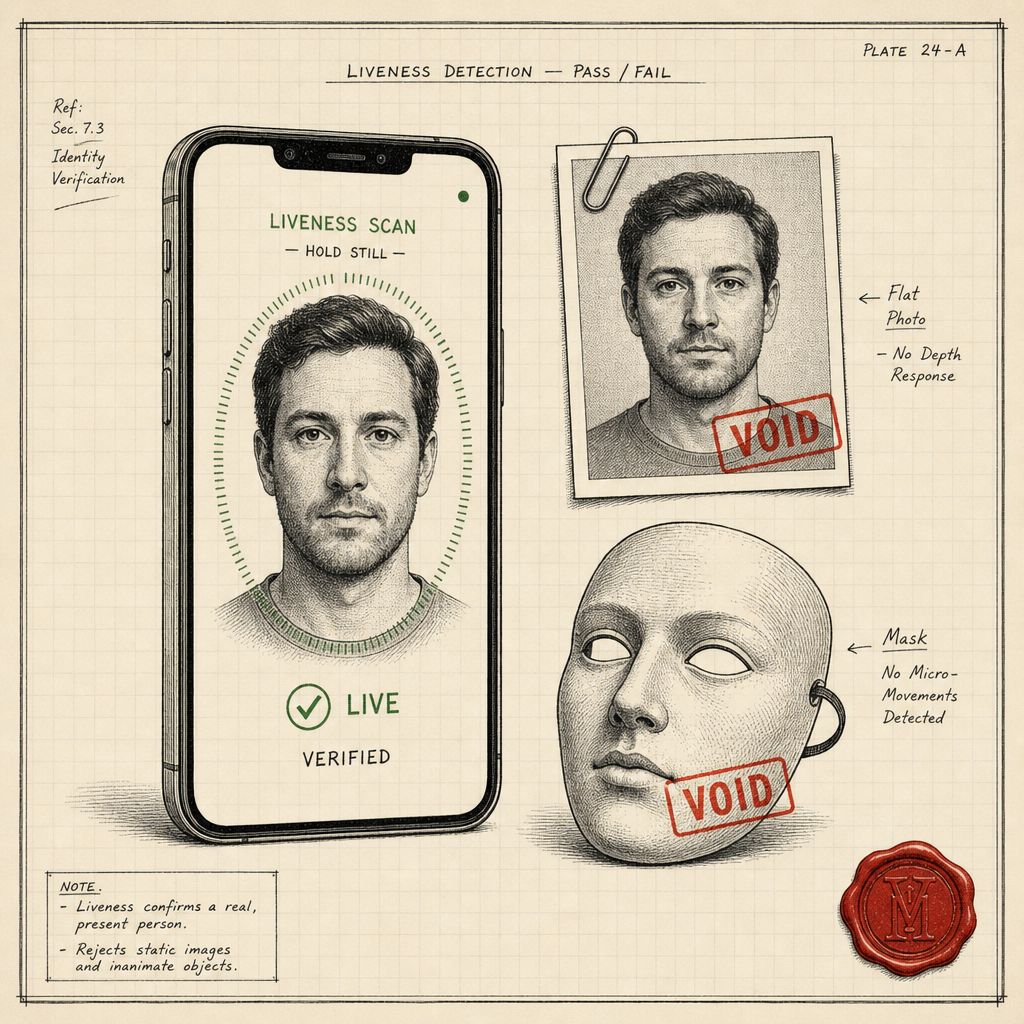
Anti-deepfake. A present, living face — not a photo, replay, or generated likeness.

Matched to the enrolled person. Not just “a human” — the right human.
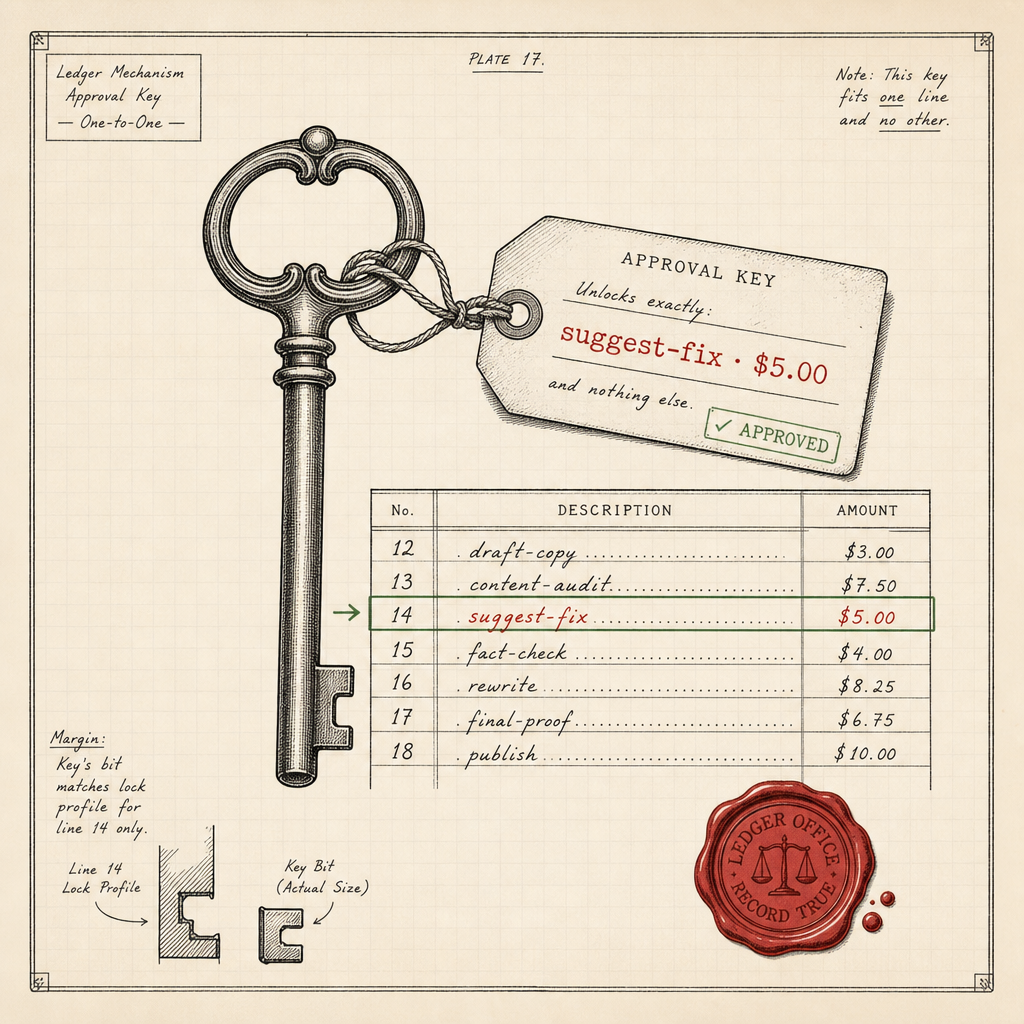
The approval unlocks this exact tool call and amount. Nothing else it touches.

The assertion is burned on redemption. No replay, no second charge.

Every approved spend lands as a ledger line with the assertion it redeemed.
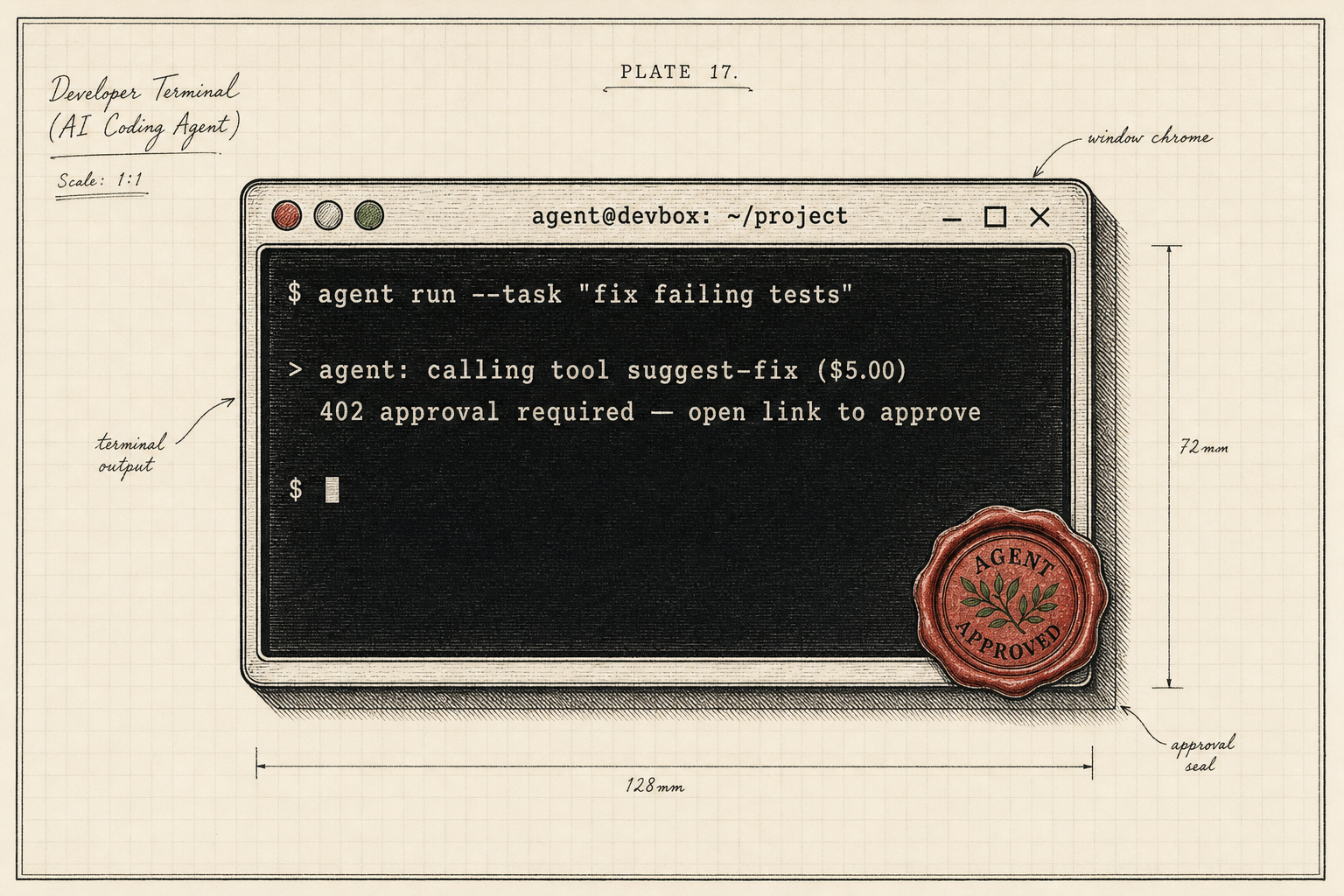
The tool call comes back 402 / approval required. The agent can keep working, but it cannot spend until a human closes the loop.
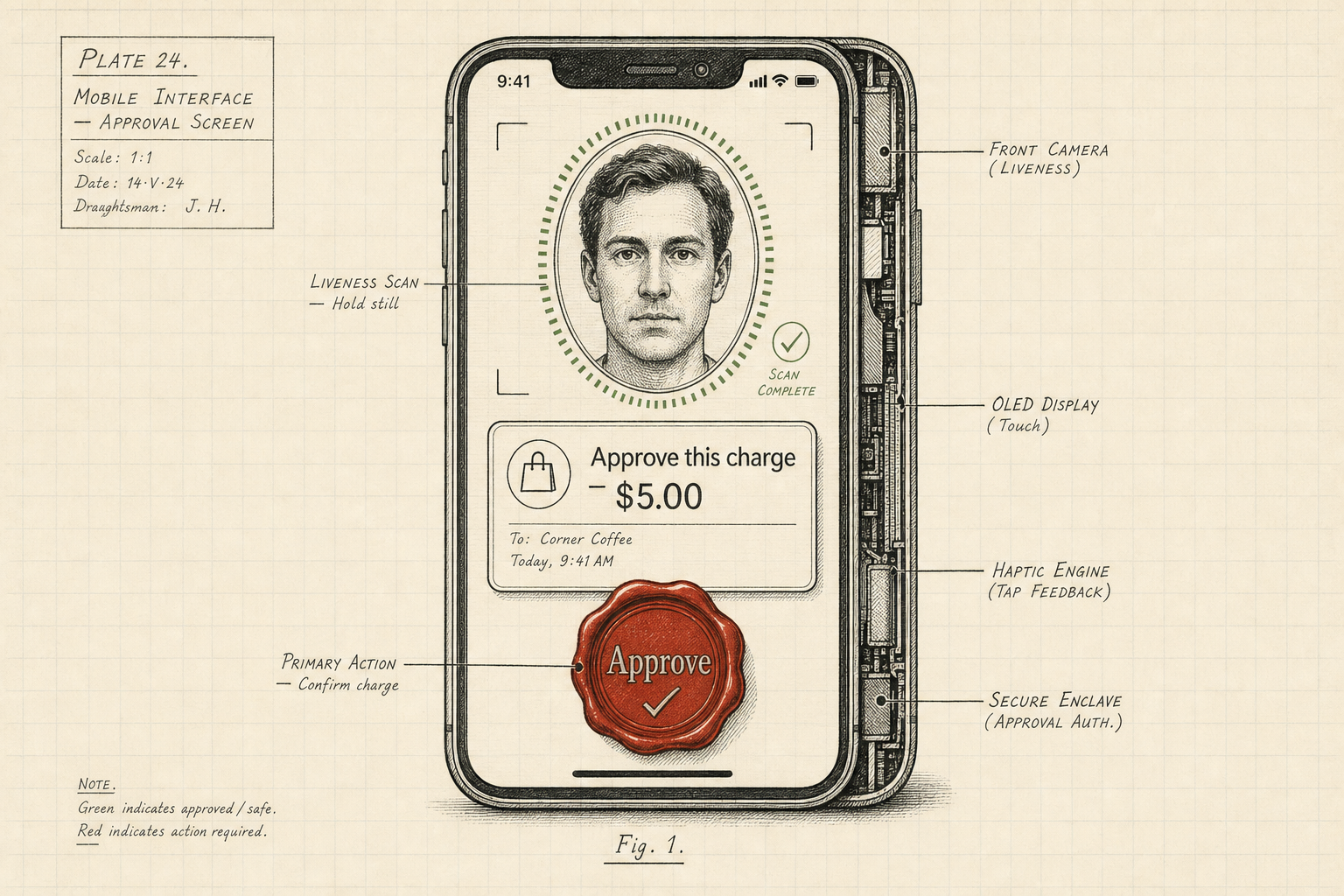
One action, one amount, one face scan. Approve releases a single-use seal — not a standing permission.
This isn’t a feature race. It’s a shape an access-token approval structurally can’t take.
On 4 June 2026, a live human face authorized an autonomous agent to draw down a real wallet — end to end, through the full chain below. No staging, no mock.